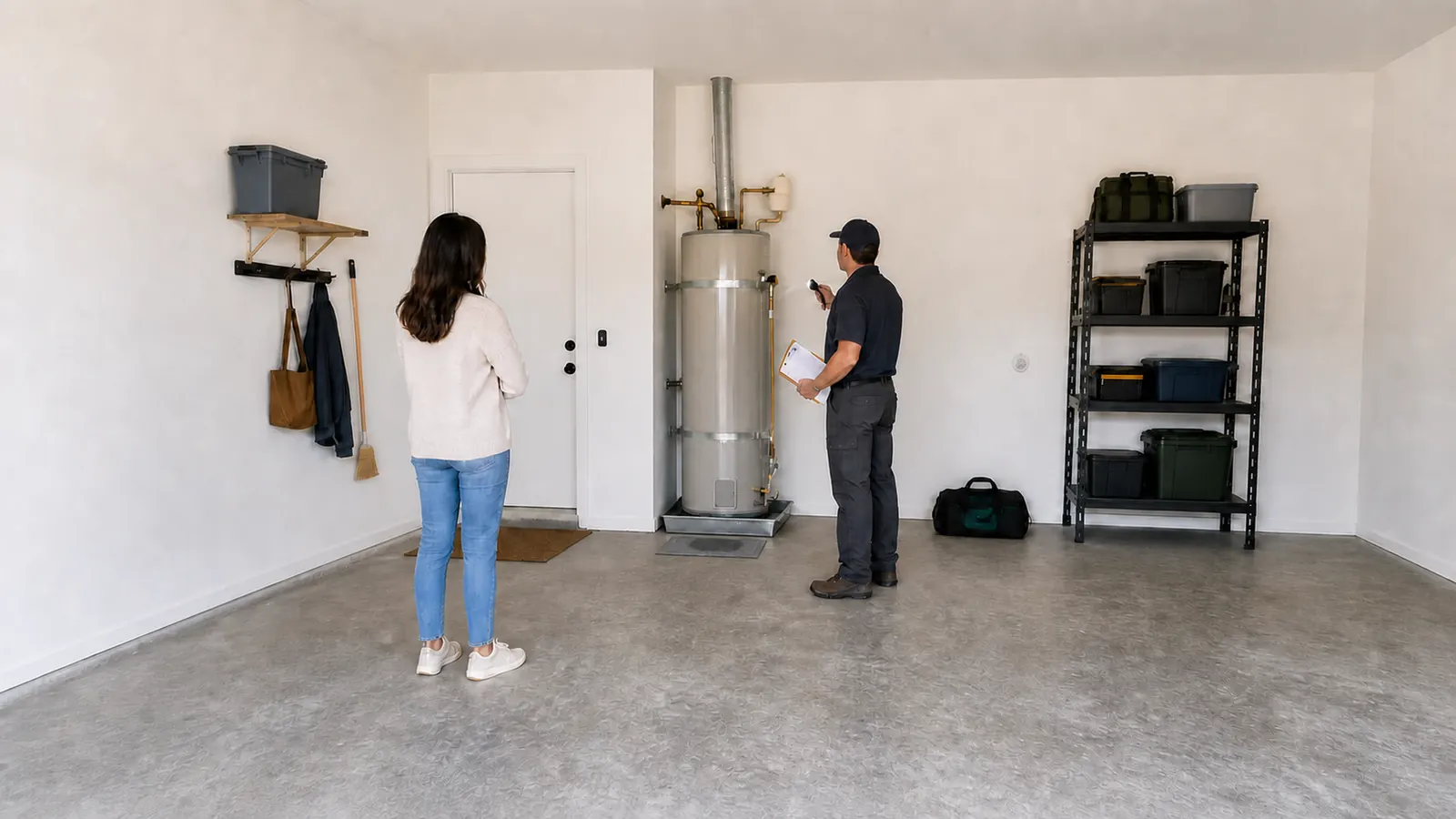
A puddle under a water heater creates pressure to make a quick decision. Search results often answer with a two-line rule: “top leak, repair; bottom leak, replace.” That rule is too simple. Water follows pipe, insulation, seams, jackets, platforms, and gravity. A connection above the heater can wet the base. A relief line can discharge near the floor. Condensate from a high-efficiency or heat-pump system can travel away from its source. Water from a nearby appliance or wall can collect in the same pan.
The right question is not where the puddle ended. It is where the water first becomes visible, what system it belongs to, whether a safety device is involved, and whether the tank's pressure boundary is intact. Observation can help a service professional arrive prepared, but it must stop before gas, combustion, electricity, scalding water, or pressure is disturbed.
Start with the emergency boundary
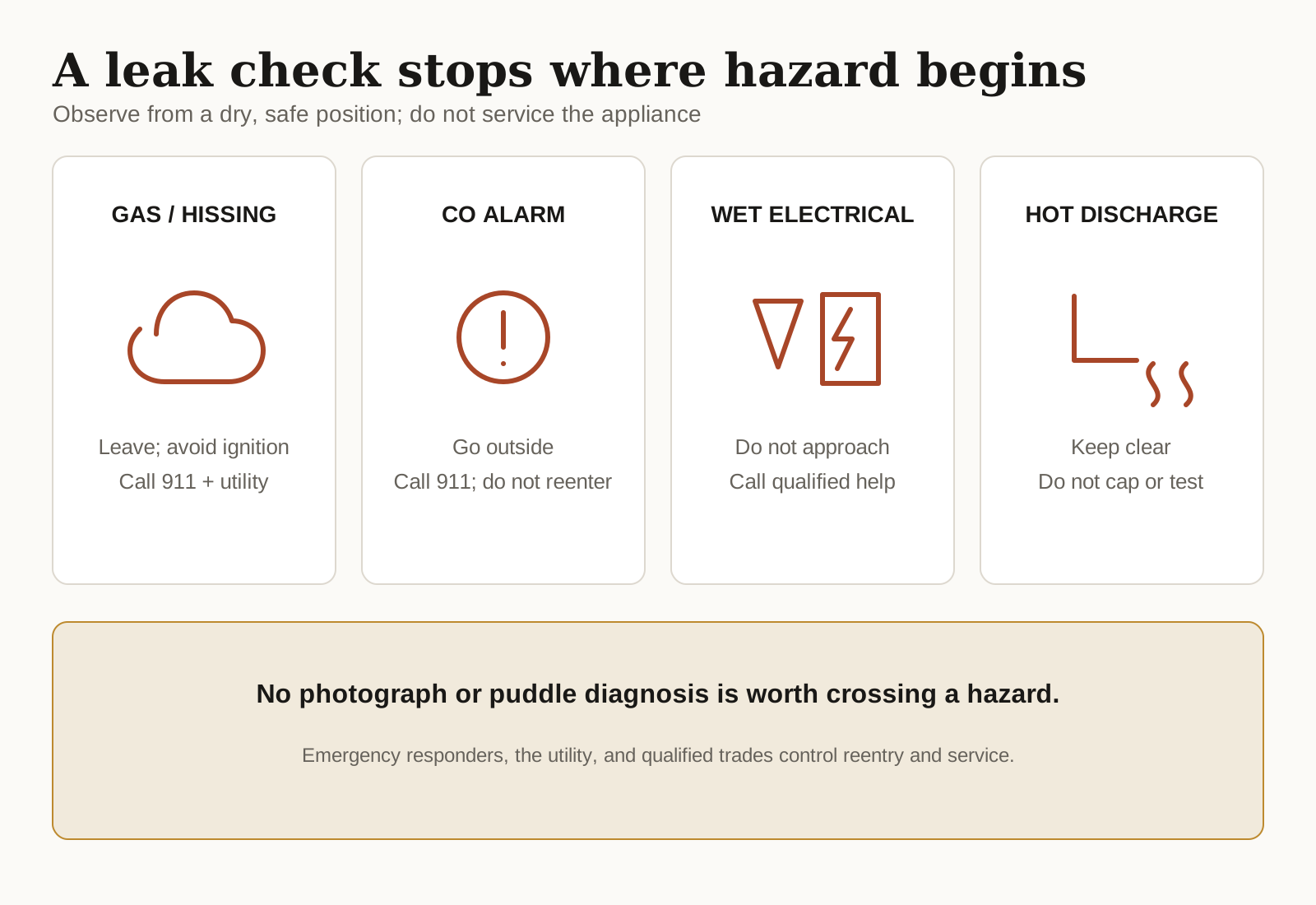
Do not approach the water heater as an ordinary plumbing fixture. It combines stored hot water and pressure with electricity or fuel. Some models add burners, vents, blowers, condensate, pumps, refrigerant systems, or electronic controls. A wet floor changes the risk around all of them.
Keep people away and call an appropriate emergency or licensed professional if water is spraying, the leak is rapidly increasing, the pan or floor is overflowing, a ceiling below is wet, the tank appears deformed, water is near electrical equipment, controls are wet, hot discharge is active, combustion looks or sounds abnormal, or you cannot reach the area without standing in water. Tenants should also notify the property manager or emergency maintenance contact immediately.
A familiar, labeled water shutoff may help limit damage only when it is dry, readily accessible, can be reached without crossing the hazard, and the person already knows how to operate it. Do not force a stuck valve, touch a wet plug or panel, remove an access cover, manipulate a gas control, test a relief lever, cap a drain, or improvise a hose path. If any of those limits are uncertain, back away and call.
Record evidence without opening the heater
If the area is safe and the leak is not an emergency, take wide photos from dry ground before moving stored items. Include the full heater, floor or pan, piping above, visible relief-discharge termination, adjacent appliances, wall and ceiling, and any drain. Then take closer photos using the camera zoom rather than leaning over or behind the unit. Photograph the manufacturer label only if it is visible without reaching across hot, wet, gas, or electrical parts.
Note the time, whether hot water had just been used, whether the heater was running, whether a washing machine, heating, ventilation, and air-conditioning (HVAC) condensate system, softener, or other nearby equipment was active, and how fast the wet area changes. A pencil mark outside the wet edge or a dry absorbent pad placed well away from energized and hot parts can show growth. Do not place paper, a container, or a towel against a burner, vent, control, electrical cover, drain outlet, or relief discharge.
Record the exact model and serial number for the service company. The printed instructions contain model-specific hazards, leak checkpoints, drain and relief details, and warranty process. A.O. Smith's residential electric support sheet, for example, says an apparent tank leak can come from plumbing connections, an element, or a dripping temperature-and-pressure relief valve. Its separate equipment manual also warns that water found at the bottom can originate from condensation, loose connections, relief operation, other water lines, appliances, or ground. Those examples support careful tracing, not DIY work on another model.
What water near the top can mean
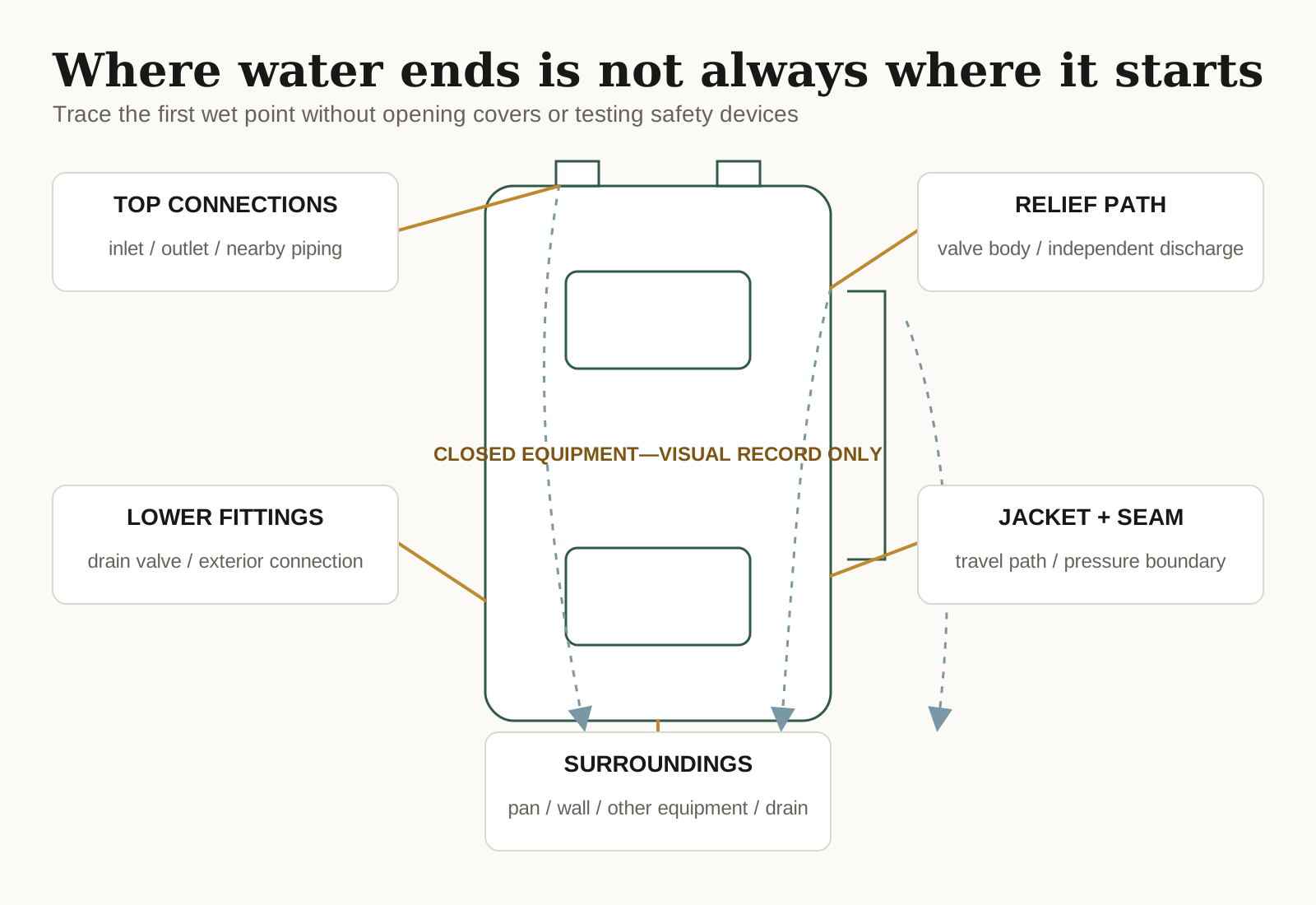
The top of a storage heater commonly includes the cold inlet and hot outlet. Depending on the product, it may also include an anode connection, recirculation connection, temperature-and-pressure relief valve, heat-pump components, draft hood, powered vent equipment, or electrical junction area. Water near one of these points can come from the connected plumbing, a threaded tank fitting, a valve body, condensate, or a component below a cover.
Do not tighten the first wet nut. Water can run along a pipe from a valve or fitting farther upstream, and moving a corroded connection can turn a seep into a break. Mixed metals, thin tank nipples, flexible connectors, check valves, expansion control, and recirculation components need to be evaluated as an assembly. A plumber can dry and observe the accessible exterior, isolate the actual start point, check system pressure and thermal expansion, and decide whether the serviceable connection can be repaired without damaging the tank.
Water under a draft hood or around a powered-vent assembly is not just a plumbing clue. It can involve condensate, venting, combustion, or water entering from another building source. Do not block the vent, relight the burner, operate a wet blower, or assume clear water is harmless. Fuel-fired equipment belongs with a qualified service agency.
What water near the bottom can mean
The lower area can include a drain valve, burner compartment or gas controls, electric-element access covers, condensate routing, a pan, and the lower tank seam. The final pooling point may be directly below the source—or several feet from it. Water can travel inside the jacket from a top connection and exit near the base. A relief pipe may terminate low. A leaking HVAC drain, softener, washer hose, wall pipe, floor drain, or adjacent heater can add water to the same area.
| Visible evidence | Possible boundary | Qualified-service question |
|---|---|---|
| Top pipe or valve is first wet point | Supply connection, shutoff, outlet, recirculation, or tank fitting. | Is the leak external and serviceable without damage to the tank connection? |
| Relief discharge or valve body is wet | Safety valve, system pressure, thermal expansion, temperature control, or valve condition. | Why did it discharge, and is the entire relief path compliant and unobstructed? |
| Drain-valve body or tank connection is first wet | Drain valve, cap where listed, threads, or tank opening. | Can it be serviced safely, or is the tank connection compromised? |
| Water appears from jacket or seam | Internal tank, hidden fitting, insulation path, or water traveling from above. | Can the origin be proven after external sources are excluded? |
| Water follows equipment cycle | Condensate system, relief event, recirculation, or nearby appliance. | Which model-specific drain or control condition matches the timing? |
| Pan contains water but heater stays dry | Other piping, wall/ceiling, nearby appliance, drain backup, or intermittent source. | What upstream system feeds the pan or floor? |
Bottom location alone does not mean “internal tank failure,” but a confirmed leak through the pressure-bearing tank is different from a serviceable external fitting. The tank itself is not patched as a normal field repair. Once a qualified professional verifies that the pressure boundary is leaking, replacement becomes the supported path. Until then, a wet base should be treated urgently without inventing the source.
Treat relief discharge as a safety event
Every storage water heater uses a temperature-and-pressure relief system to release water if conditions exceed its safe limits. San Jose's current water-heater page says the valve must not be altered or modified and no shutoff valve may be installed in the relief drain system. The drain is not ordinary waste piping; the page requires an independent, untrapped, unthreaded termination and prohibits connecting it to a sanitary sewer, pan, or air-conditioning condensate line.
Never cap, plug, clamp, kink, reduce, or close a relief valve or discharge pipe to stop water. A.O. Smith's support sheet warns that operating without a functioning T&P valve or capping the valve or discharge can cause an explosion. Do not lift the test lever when the discharge path, water temperature, valve condition, or manufacturer procedure is uncertain. The outlet can release scalding water.
Relief discharge also does not automatically mean “bad valve.” Pressure, thermal expansion in a closed system, temperature control, debris, an incorrect valve, a failed valve, or an installation defect may be involved. A qualified professional should evaluate the cause, not just silence the symptom. If discharge is active, hot, forceful, or reaches occupants or property, stay clear and call promptly.
Repair or replace: make the boundary explicit
An external component may be serviceable when the tank and its threaded openings remain sound, the exact part is available and listed for the equipment, the connected system condition is corrected, and the manufacturer permits the work. Examples can include a supply connector, valve, drain fitting, relief assembly, condensate component, or electric element seal. Whether any one is repairable depends on access, corrosion, model instructions, warranty, and what failed.
Replacement becomes the supported path when the pressure-bearing tank is confirmed to leak, a tank opening cannot accept a safe listed repair, required components or safe venting cannot be restored, damage is extensive, or a qualified service provider and manufacturer guidance rule out repair. Heater age can inform warranty and remaining-component risk, but no universal age, repair-price percentage, or leak location should decide the answer by itself.
Ask for the failed boundary in writing. “Leaking from the bottom” is not enough. A useful record might say the cold connection is the first wet point, the relief line is discharging under measured expansion conditions, the condensate trap or route is leaking, the drain-valve tank threads are compromised, or the internal pressure boundary is leaking after external sources were excluded. It should also state what was not inspected and what could change after removal.
If replacement is proposed, compare the whole installed scope: equipment and sizing, fuel or electrical requirements, vent and combustion air, drain pan and approved drainage, T&P valve and independent discharge, thermal expansion, seismic restraint, garage protection, water and gas piping, condensate, permits, inspections, startup, removal, and damage restoration. A box price without those boundaries is not comparable.
Separate appliance work from water-damage work
Stopping the source does not prove the building is dry. Water may reach a platform, wall cavity, baseboard, cabinet, insulation, flooring, ceiling below, or crawl space. Record the affected area and the time it remained wet. A qualified moisture assessment can determine what can be dried in place and what must be opened or removed. Do not close finishes over unknown moisture.
Do not spray bleach or other chemicals into a water-heater closet, burner area, electrical equipment, porous cavity, or unknown contamination. If the water includes sewage, chemicals, or another contaminated source, or if extensive mold is suspected, keep occupants away and use appropriate remediation professionals. Older finishes or insulation may require asbestos or lead testing before disturbance.
A replacement proposal should say whether platform, drywall, flooring, paint, cabinet, or structural repairs are included. It should also separate emergency drying, environmental testing, contents, utility work, and insurance documentation. Those scopes depend on actual conditions; this article provides no universal price or duration.
San Jose permit path as of August 2026
San Jose's Water Heaters page, updated April 14, 2026, says installing or replacing a water heater requires a plumbing permit and that an electrical permit may also be required depending on type. It directs single-family and duplex properties to online permitting when eligible, with Standard Plan Review when they do not qualify. For multifamily and commercial properties, the route changes for like-for-like gas storage replacement versus a different type or new location.
The same page requires T&P protection and seismic bracing and contains location, gas, venting, electrical, condensate, and drain rules. The exact address, property type, fuel, selected model, relocation, and trade scope determine the application. A leak does not waive safety, permit, or inspection requirements, and an online category does not promise issuance or schedule.
Prepare a clean service handoff
- State the hazard status. Report gas odor, CO alarm, wet electrical equipment, hot discharge, fast flow, ceiling damage, or whether emergency responders or the utility attended.
- Identify the equipment. Provide fuel, tank or tankless type, model and serial, installation location, visible label, permit record if known, warranty, and prior service.
- Describe the water. Record the first observed point, growth, color, timing, nearby appliance cycles, and whether steam or heat distortion is visible from a safe distance. Never touch water to test its temperature; take photos only from dry ground.
- Ask for the failed boundary. Require the professional to separate external connection, relief/expansion, condensate, drain, element or component seal, surrounding source, and pressure-bearing tank.
- Normalize the proposal. Align appliance, trades, pan and drains, relief path, seismic and impact protection, permits, inspections, removal, drying, finish repair, exclusions, and post-work documentation.
Frequently asked questions
Does water at the bottom mean the tank has failed?
No. It can, but water may travel from top connections, relief discharge, condensate, a drain valve, another appliance, or a wall. A qualified professional should exclude those sources before confirming a tank leak.
Can I plug a dripping relief pipe temporarily?
Never. San Jose says the T&P valve must not be altered and no shutoff belongs in its drain system. Manufacturer support warns not to cap or plug the valve or discharge. Keep clear and have the cause evaluated.
Should I reset an electric heater after it got wet?
No. Do not touch wet electrical equipment, a wet plug, breaker, reset button, wiring, or access cover. Keep away and use qualified electrical and water-heater service.
Is a small leak safe to watch for a week?
No universal waiting period is safe. A small visible spot can be intermittent, travel from elsewhere, or grow. Record it from a safe location and arrange prompt assessment; use emergency help for any hazard or rapid change.
Does heater age decide repair versus replacement?
Age informs warranty and broader condition, but it does not identify the source. The failed component, tank integrity, safety, model support, connected-system condition, and complete scope should drive the decision.
Do I need a permit to replace a leaking heater in San Jose?
Yes. San Jose's current page says installing or replacing a water heater requires a plumbing permit, and an electrical permit may also be needed by type. Confirm the address and exact scope with the City.
Sources and verification
- City of San Jose, Water Heaters (updated April 14, 2026; permits, T&P system, bracing, and installation boundaries).
- PG&E, Keep Yourself Safe from a Gas Leak (gas-emergency actions).
- U.S. Consumer Product Safety Commission, Carbon Monoxide Questions and Answers.
- A.O. Smith University, Electric Tank Leak Support Sheet (model instructions remain controlling).
- A.O. Smith, Light Service Commercial Electric Water Heater Manual (leak-source and electrical/scald safety examples; not generalized as model instructions).
The adversarial pass rejected “top equals repair/bottom equals replace,” DIY gas or electrical shutdown steps, relief-valve testing or plugging, age and repair-percentage rules, universal price and timing, and any claim that clear water is harmless. See the verification ledger.
This guide is general planning information, not emergency-response direction beyond the cited agency boundaries, a remote leak diagnosis, appliance service manual, plumbing/gas/electrical design, permit decision, or repair instruction. Do not touch wet electrical equipment, operate gas controls, disturb combustion or venting, open covers, test or block a relief device, drain a heater, or work with hot pressurized water based on this article. Emergency responders, the serving utility, manufacturer instructions, licensed trades, and authority having jurisdiction control.